

How a visit to the gallery actually runs

From the first email to standing in front of a plate, the path is short and unhurried. Here is what happens at each step, and what you can expect along the way.

  1. Step 1

    Send a request

    Write to us with the show you want to see and the kind of visit you have in mind: a Saturday walk-through, a studio visit, a catalogue, or a question about a print edition. A short note is enough to start.

  2. Step 2

    We read it and reply

    Your request reaches the gallery team, who look at it against the current hang. If you have given a preferred date, we check it against the show and come back with what fits.

  3. Step 3

    Agree on the details

    We settle the date, the time and the format together. For a walk-through, group size matters, so tell us how many are coming. For a studio visit, we check the artist's availability before confirming.

  4. Step 4

    Walk the rooms

    On the day, you move through the show in the same order as the online gallery, room by room. Plates are hung at eye level, captions are small, and there is time to stand in front of a work and look properly.

  5. Step 5

    Take the record with you

    After the visit, you can ask for the seasonal catalogue by email. Every entry lists the maker, the medium, the year and where the work was made, so you can follow a body of work past the show itself.

  6. Step 6

    Follow the next show

    The programme runs four seasonal shows a year. If you want to keep track, the catalogue and the online gallery are the two places where each new hang appears first.

If you would rather start with the wider programme, see the gallery services or read the resources before you write.

What is hanging this season

Four shows a year, each one built as a single body of work rather than a set of loose pictures. Below are the rooms from the current and recent programme, with a short note on what each one holds.

Putnam Farms Gallery: projects

Fence Lines and Grazing Camps

Large-format plates that follow the boundary as a drawn line across the land. Each print is hung at full plate size, with a caption recording the maker, the medium, the year and where the frame was taken.

Putnam Farms Gallery: projects

Silos in Flat Light

Vertical forms and weathered metal, photographed in overcast light so rivets, ladders and rust streaks read without drama. A short note beside each plate says where the structure stands and how it is used through the year.

Putnam Farms Gallery: projects

Linocuts from the Home Fields

Relief prints cut by artists working within an hour of the gallery. Blocks are pulled by hand in small runs, so the ink sits unevenly and the paper grain stays visible at the edges. Working drawings are shown alongside.

Putnam Farms Gallery: projects

Paintings of the Wet Season

Oils and mixed media made across a single rainy season, worked quickly so the brush marks keep the movement of weather. Hung at eye level in a plain grid, the canvases read as a sequence rather than as single pictures.

Putnam Farms Gallery: projects

The Seasonal Catalogue

A printed record of each show, treated as part of the exhibition rather than a souvenir. Every entry lists the maker, the medium, the year and where the work was made, and states which editions are also available as print-on-demand.

Putnam Farms Gallery: projects

Saturday Walk-Through

A guided hour through the current hang, kept to a small group so there is time to stand in front of individual plates. The route follows the rooms in the same order as the online gallery, so a work can be found again afterwards.

Six bodies of work from the current programme

Each show is built as a sequence rather than a set of loose images, and the same order holds in the rooms and in the online hang. Below are the works that make up this season, with the maker, medium, year and place recorded for every plate.

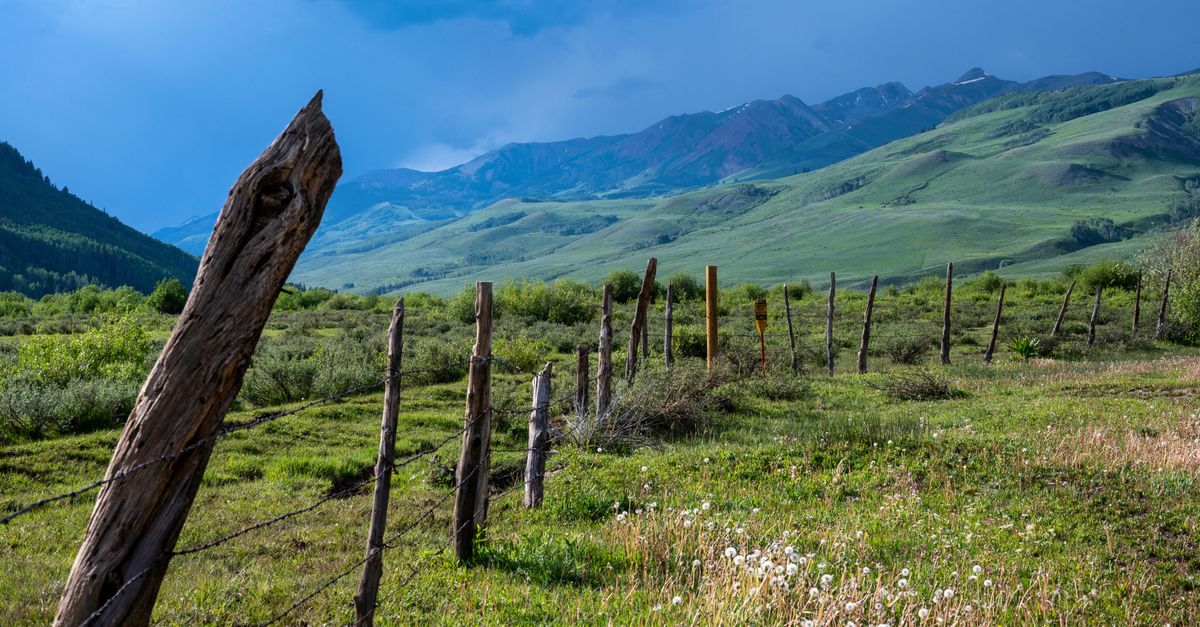
Rural fence posts running across an open grassy field under soft daylight

Fence Lines and Grazing Camps

This body of work looks at the fence as a drawn line across the land, photographed at the hour when the wire catches light and the grass behind it goes flat and pale. The prints are shown at full plate size so the eye can move along the posts and read the small shifts in soil and season. A short caption beside each image records the maker, the medium, the year and the place where the frame was taken.

See the full hang
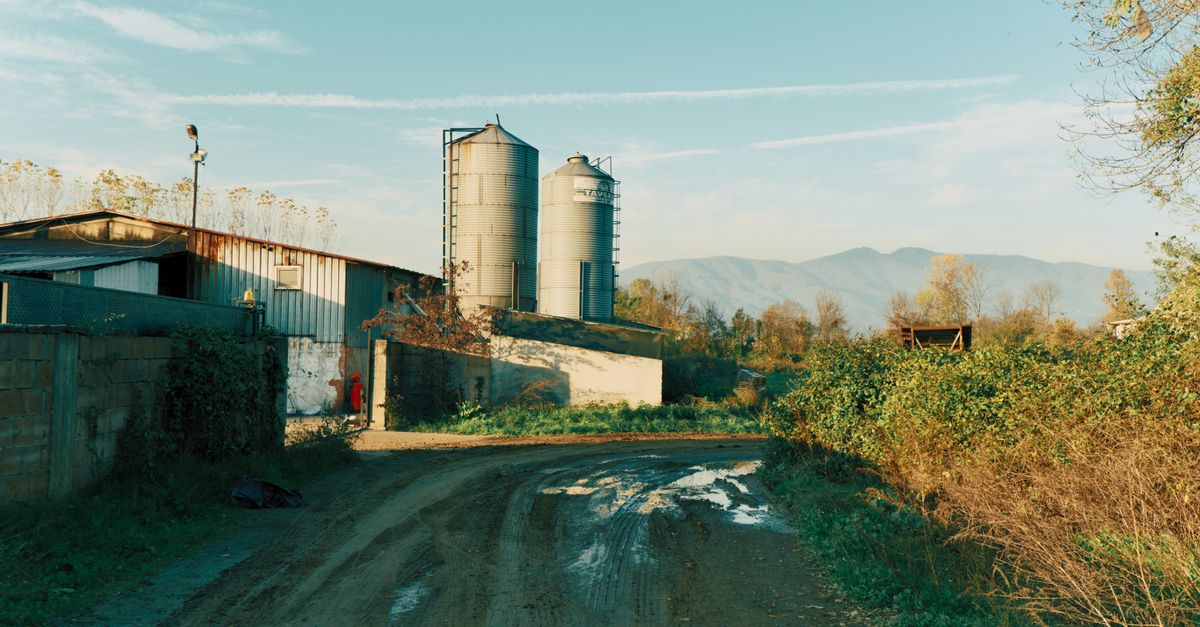
Tall metal grain silos standing beside a farm track under a pale sky

Silos in Flat Light

Silos give the farmland a hard vertical note, and this series treats them as quiet architecture rather than equipment. The photographs are made in overcast light so the rivets, ladders and rust streaks read clearly without drama. Each plate is paired with a note on where the structure stands and how it is used through the year, keeping the record tied to the working farm rather than to a scenic idea of the countryside.

See the full hang
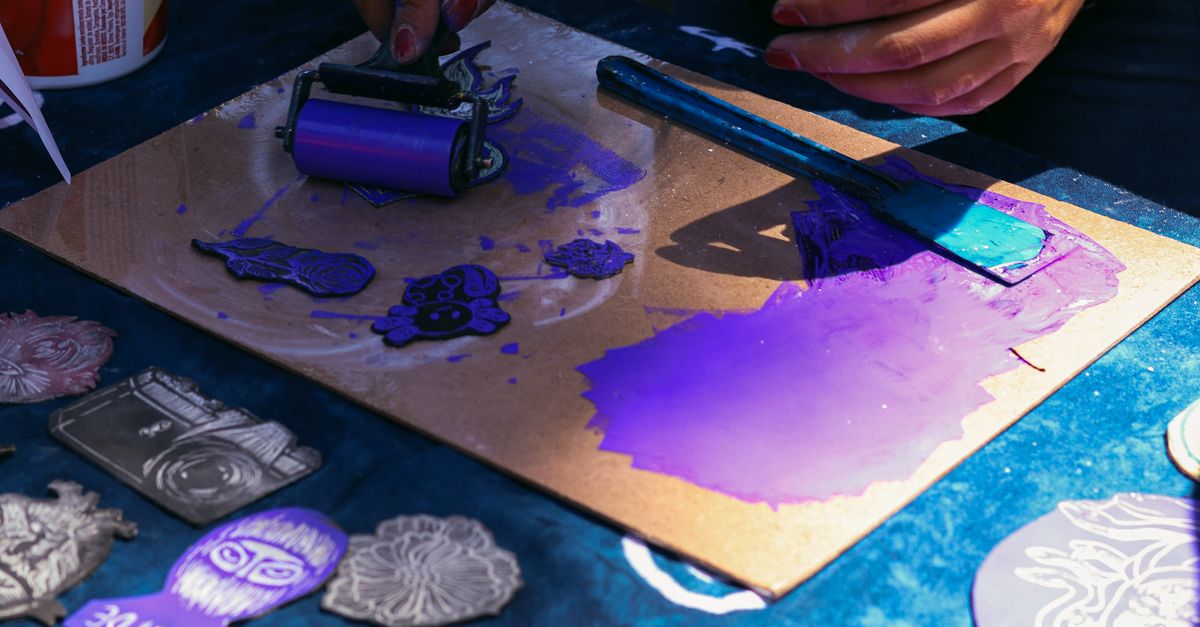
Hand-carved linocut block and printed sheets resting on a work table

Linocuts from the Home Fields

The linocuts in this room come from artists who work close to the land they cut, and the marks carry that proximity. Blocks are printed by hand in small runs, so the ink sits unevenly and the paper grain stays visible at the edges. The gallery shows the prints alongside the working drawings, which lets a visitor follow how a field edge becomes a carved shape and then a finished sheet.

See the full hang
Painterly landscape study on canvas showing green fields under rain clouds

Paintings of the Wet Season

These paintings were made over a single rainy season, with the artist working from a shed that looks out across a grazing camp. The surfaces are built up quickly, and the brush marks keep the movement of weather rather than settling into a finished view. The gallery hangs them at eye level in a plain grid so the colour shifts between canvases can be read as a sequence rather than as single pictures.

See the full hang
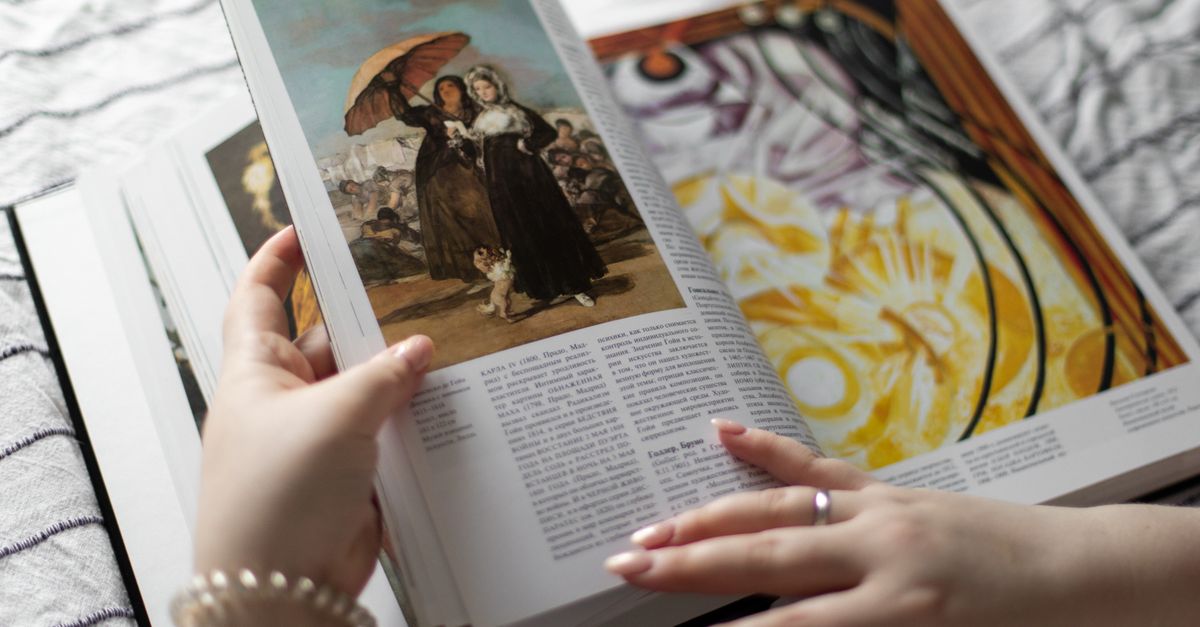
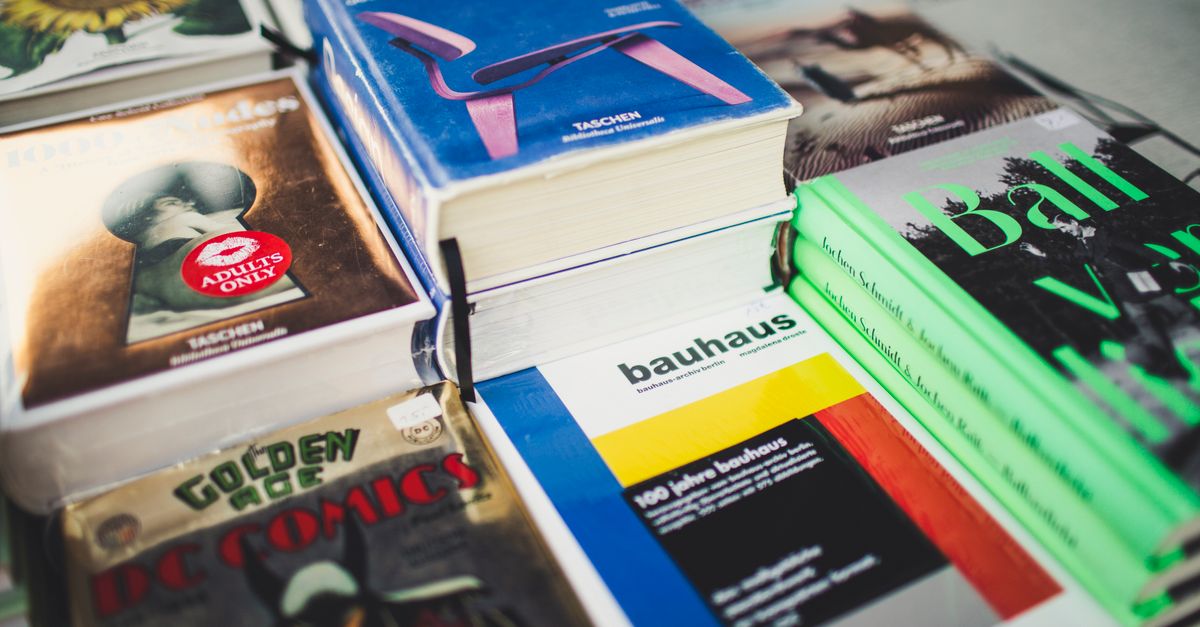
Open printed art catalogue with image plates and small caption text on a table

The Seasonal Catalogue

The catalogue is treated as part of the exhibition rather than as a souvenir. Every entry carries the maker's name, the medium, the year and a short note on where the work was made, so a reader can follow a body of work across several seasons. Selected editions are also offered as print-on-demand, and the catalogue states clearly which works are available that way and which are held only in the physical hang.

See the full hang
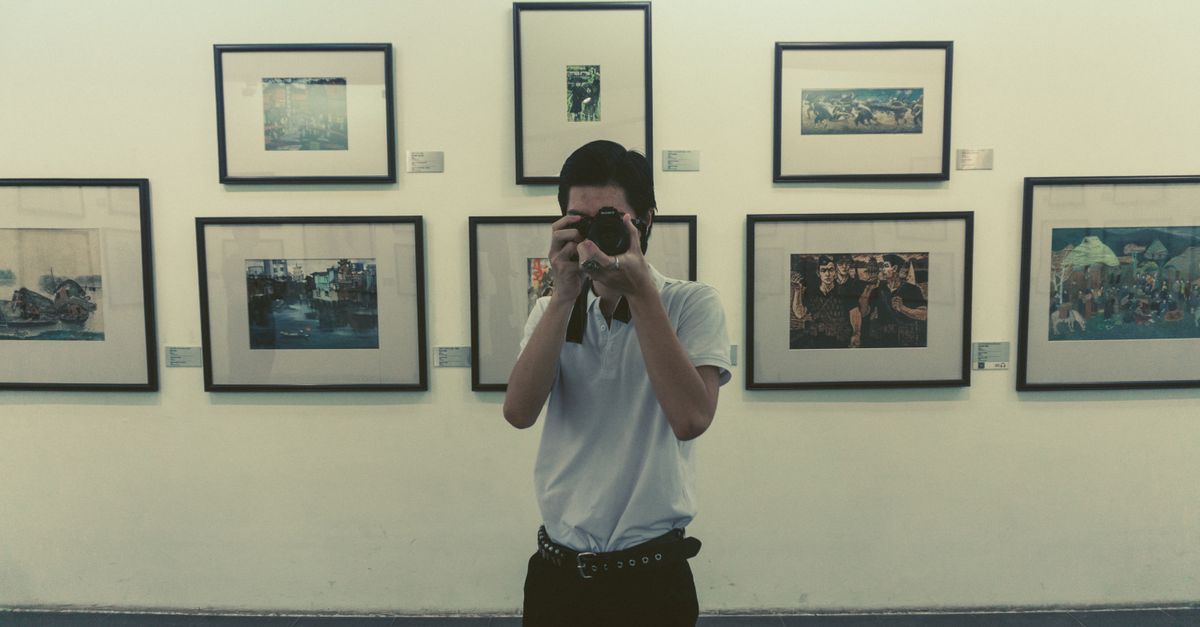
Small group of visitors standing before framed photographs in a bright gallery room

Saturday Walk-Through

The Saturday walk-through is kept to a small group so there is time to stand in front of individual plates and talk about how they were made. The route follows the rooms in the same order as the online gallery, which makes it easier to return to a work afterwards and look again at the details. Visitors can also ask about a studio visit with one of the resident artists, arranged separately from the walk-through.

See the full hang

A note about the gallery

We would like to remember your choice about how the gallery behaves on this device. Your selection is stored only in this browser and is used to keep the browsing experience consistent on your next visit. You can read more in our privacy policy.