You came for the land, not the art world

If you stop for fence lines, silos and grazing camps before you stop for a painting, this hang is built for the way you already look. Here is what you actually get when you walk in.

Putnam Farms Gallery: audience 2
  • Photographs at plate size

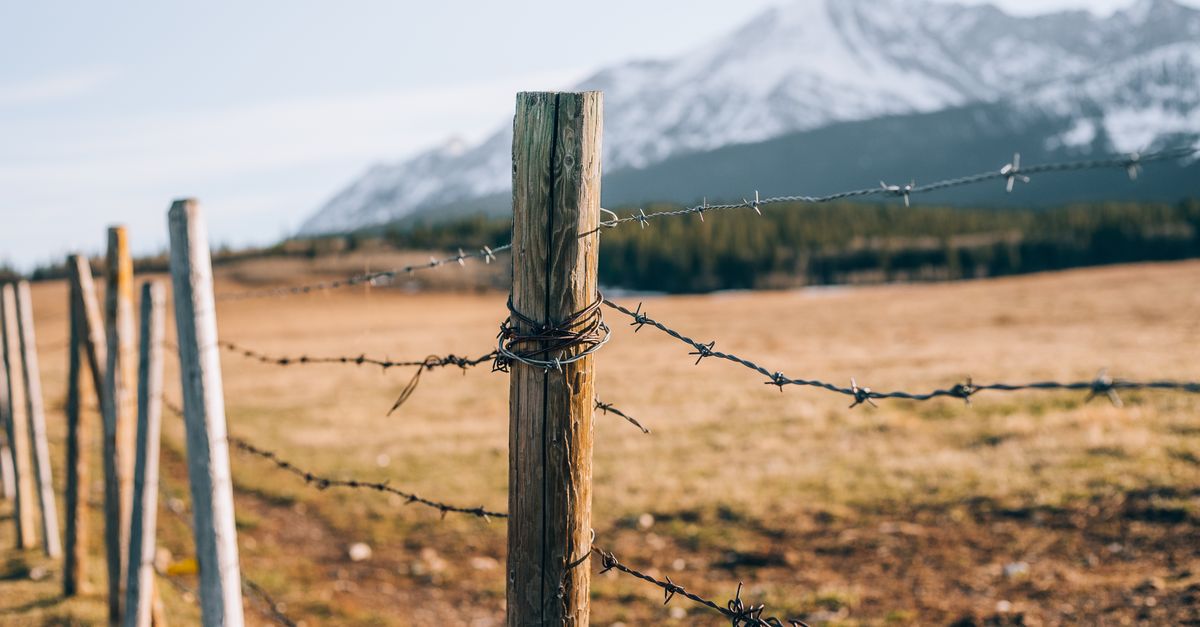
    Fence lines, silos and grazing camps are printed large enough to read the wire, the rivets and the soil under the posts. You follow one boundary across a wall instead of skimming thumbnails.

  • Paintings and linocuts beside them

    Artists working within an hour of the gallery hang in the same room as the photographs. You move from a recorded view to a made one without changing rooms, and the difference between the two is the point.

  • A catalogue that names the ground

    Every entry carries the maker, the medium, the year and a short note on where the work was made. That record is what lets you follow a body of work across seasons rather than collect loose images.

  • Zoom that shows the surface

    The online gallery mirrors the physical hang room by room, and the zoom view holds paper grain and brush marks. It is the closest thing to leaning in at a fence post without the drive.

  • Four shows, one rhythm

    The gallery runs four seasonal shows a year, so there is always a reason to come back and a clear point where one set of work ends and the next begins.

  • Editions you can actually take home

    Selected editions are offered as print-on-demand, and the catalogue states plainly which works are available that way and which stay in the physical hang only.

Start with the boundary work in Fence Lines and Grazing Camps, or see how the rooms are arranged under Services.

What you can look at, and how to go further

If you came here for the land rather than the art world, this is the short version of what the gallery holds and where each thread leads. Four seasonal shows a year, and a catalogue that keeps every work tied to a maker, a medium, a year and a place.

Large-format photographs of the working land

Boundary posts, wire catching the light, silos standing flat against an overcast sky, grazing camps read from the gate. The plates are hung at full size so the eye can travel along a fence line and pick up the small shifts in soil and season.

Best if you want to see how a recorded view holds up when it is printed large.

See the fence line and grazing camp series

Paintings and linocuts made close to the same ground

Oils worked wet-on-wet through a rainy season, and relief prints cut by artists living within an hour of the gallery. The carved blocks are shown beside the working drawings, so you can follow how a field edge turns into a shape and then a finished sheet.

Suited to anyone who wants the made view next to the recorded one, in the same room.

The online hang, room by room

The archive mirrors the physical hang in the same order, with a zoom view that shows paper grain and brush marks the way you would look at a fence post up close. Selected editions are offered as print-on-demand, and the catalogue says plainly which works are available that way.

For looking again after a visit, or for following one body of work across several seasons.

Walk-throughs, studio visits and the catalogue

A Saturday walk-through keeps the group small so there is time to stand in front of individual plates. Studio visits with a resident artist are arranged separately, and the seasonal catalogue can be requested by email if you would rather read the records first.

The slower, in-person route through the current show.

How the gallery programmes run

Questions about a specific work, a group size or access needs are best sent straight to the gallery. Write to the gallery

A note about the gallery

We would like to remember your choice about how the gallery behaves on this device. Your selection is stored only in this browser and is used to keep the browsing experience consistent on your next visit. You can read more in our privacy policy.