The maker
Each entry names the person who made the work, whether that is a photographer, a painter or a printmaker cutting linoleum by hand. No work in the catalogue is shown without that name attached to it.
Putnam Farms Gallery grew out of a working exhibition space and an online picture archive. The idea was simple: a photograph of a fence line or a silo should arrive with its context attached, so a visitor can follow a body of work instead of scrolling past disconnected images.
Every work carries the maker, the medium, the year and a short note on where it was made. That record is what turns a single image into something you can trace across seasons.
The online gallery follows the physical hang room by room, so the sequence of a show stays intact. A zoom view brings paper grain and brush marks close enough to read.
Warm bone-white walls, deep olive and rust accents, large uncluttered image plates and small serif captions. The photographs and prints are left to carry the page.
Putnam Farms Gallery is a working exhibition space and an online picture archive. The subject is the farmland itself: fence lines, silos, grazing camps and the weather that moves across them. Four seasonal shows run each year, and each one pairs large-format photographs with paintings and linocuts by artists who live and work close to the land.
The gallery is built for people who want to follow a body of work rather than scroll a wall of disconnected images. Every catalogue entry carries the maker, the medium, the year and a short note on where the work was made. That record is the unit the whole archive is organised around.
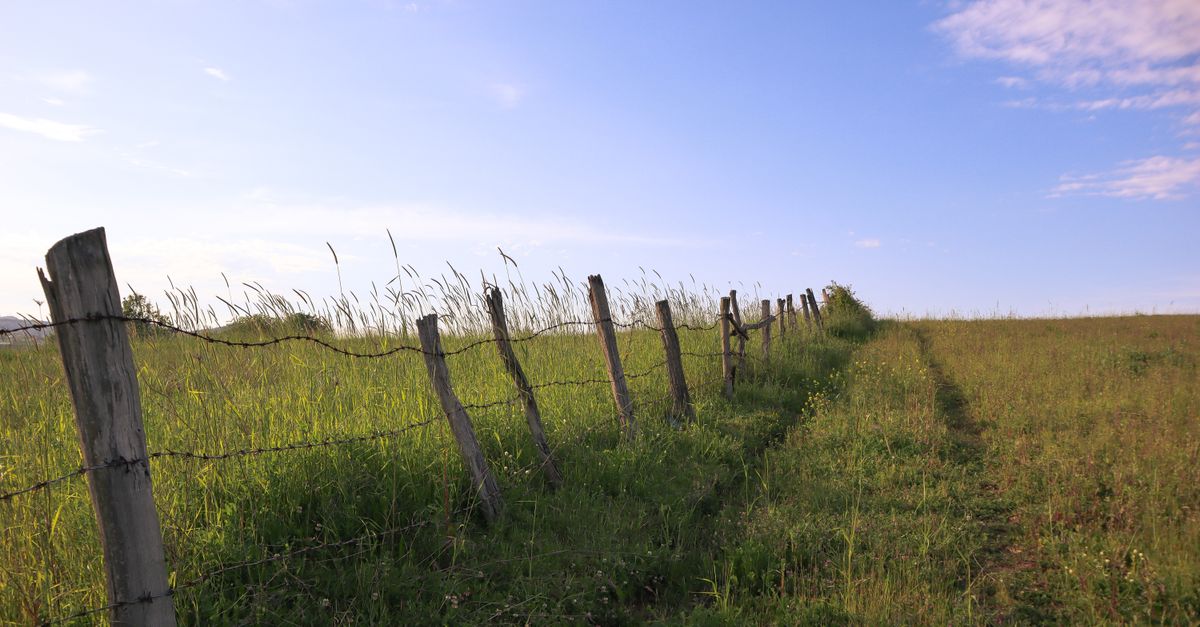
Works are hung in a plain grid with small captions, so the surface of a linocut or a large-format print stays the thing you look at first.
The paintings and relief prints come from artists working within an hour of the property, which keeps the subject tied to ground the makers actually walk.
The archive follows the physical hang room by room, and a zoom view brings paper grain and brush marks close enough to read.
Selected works are offered as print-on-demand editions, while others stay in the physical hang only. The catalogue states which is which.
The gallery does not list sponsors, partners or endorsements. What it does record, work by work, is the relationship behind each piece: the maker, the medium, the year and the place the work came from. That record is the only credit line the gallery publishes, and it is written into every catalogue entry.
Each entry names the person who made the work, whether that is a photographer, a painter or a printmaker cutting linoleum by hand. No work in the catalogue is shown without that name attached to it.
Large-format photograph, oil on canvas, hand-printed relief. The medium and the year sit beside the name, so a visitor can see how a body of work develops across seasons rather than reading a single image alone.
A short note on where the frame was taken or the block was cut, kept plain and specific. It ties the work to a stretch of farmland instead of leaving it as a picture without a location.
If you want to follow a specific maker or a specific run of work, the catalogue record is the place to start. Enquiries about the archive can be sent to contact@putnamfarms.com, or you can call +27 62 180 3972.
Putnam Farms Gallery exists because a photograph of a fence line or a carved linocut block loses most of its meaning the moment it floats free of a name, a date and a place. So the gallery treats the catalogue entry as the real unit of the work, not the image alone.
That principle shapes everything here: what gets hung, what gets written down, and how the online rooms are ordered.
Every entry carries the maker, the medium, the year and a short note on where the work was made. Without those four things, a picture is just a picture.
The aim is that a visitor can trace one artist across several seasons, rather than scroll past disconnected images that happen to share a wall.
Rooms are presented in the same order as the physical show, so the sequence of a hang survives the move to a screen.
A zoom view shows paper grain and brush marks. The point is to look closely at how a thing was made, not to smooth it into a thumbnail.
Selected editions are offered as print-on-demand, and the catalogue says which works are available that way and which are held only in the physical hang.
Warm bone-white walls, deep olive and rust accents, large uncluttered plates and small serif captions. Nothing competes with the work.
We would like to remember your choice about how the gallery behaves on this device. Your selection is stored only in this browser and is used to keep the browsing experience consistent on your next visit. You can read more in our privacy policy.